

Interview Magazine
A timeless tribute to pop culture and art
Founded in 1969 by pop art pioneer Andy Warhol and his best mate, the British journalist John Wilcock, Interview Magazine, nicknamed The Crystal Ball of Pop, is one of the most famous Americans magazines. As we all know, Andy Warhol was one of the greatest artists of all time, while Wilcock promoted some of the most important initiatives of the 60s and 70s’ underground press.
At that time, New York was extremely frenzied and Interview was revolutionizing the global aesthetic. The very first cover of the magazine featured Warhol’s Superstar: Viva, nom de plume of actress Janet Susan Mary Hoffmann - her nude body formed an “H” shape with those of Gerome Ragni and James Rado.
In the early days, Warhol himself would distribute copies for free as he walked the streets of Manhattan. It was the very cult of celebrity, featuring cutting-edge graphics, large, full-page photographs and minimalist layouts that highlighted the interview text.
The visual aesthetics of Interview Magazine were unmistakably influenced by Warhol’s artistic sensibilities, blending high art with pop culture in a way that has remained fresh and compelling over the decades.
It became known for its avant-garde approach to celebrity journalism. Warhol’s vision was to create a platform of celebrity-on-celebrity conversations, breaking away from the traditional journalist-subject dynamic and allowing for more intimate and revealing exchanges.
Interview gave readers insider access to the pop cultural elite through a compelling blend of glamour: it was so much more than a simple magazine, it was a very piece of art to collect.
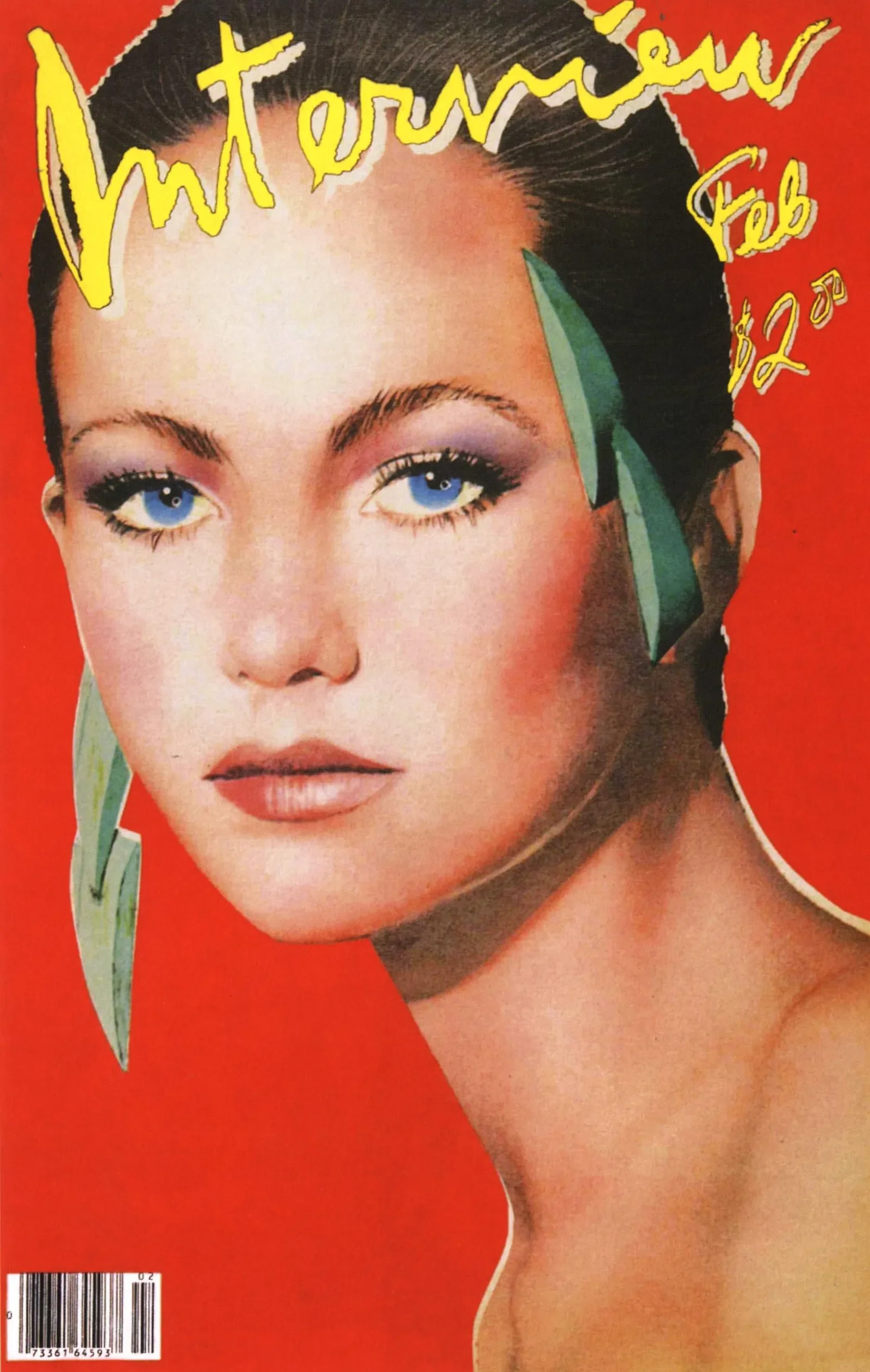


Interviews were the strength of the magazine: tête-à-tête conversations with some of the greatest celebs of the whole world. These interviews were never edited and were focused on the private lives of the artists, revealing details unknown until then, but also trivial facts like what they preferred to eat for breakfast. Warhol left the recorder, which he defined as his wife, always on to capture every essence of the interviewee.
Another distinctive feature was the covers, curated by the director himself along with artist Richard Bernstein. They had a specific and distinctive visual identity: extremely colorful, psychedelic and with sharp contrast between the background and the subject. The photographers were always the same: Robert Mapplethorpe, Herb Ritts, Peter Beard, Bruce Weber and Warhol’s favorite, David LaChapelle.
Everyone wanted to be on Interview, from artists to actors and singers, because being chosen meant having reached the top. Among the most famous characters featured on the covers, there are Liz Taylor, Madonna, Jude Law, Kate Moss, Diana Ross, Bob Marley and David Bowie.
Interview Magazine has always been a reflection of its times, capturing the zeitgeist of each era through its pages. In the 1970s and 1980s, it was at the forefront of the cultural revolution.
The magazine is also notable for its ability to predict and influence trends. Many up-and-coming artists, designers, and musicians found a platform in Interview Magazine, often before becoming household names. This knack for spotting and nurturing new talent has solidified its reputation as a cultural tastemaker.
Over the years, Interview Magazine has undergone several transformations, both in its editorial direction and ownership.
After Warhol’s death, the first scandals began. There were several problems, including lawsuits, evictions and allegations of harassment. In 1989, the magazine became the property of art collector Peter Brant and started to be directed by Bob Colacello and Ingrid Sischy.
However, under their direction, Interview became less and less avant-garde and bold, flattening out and becoming similar to others pop magazines that were in auge at that time.
The relationship between Sischy and Brant was short-lived, crumbling after an interview to Ingrid Sischy by The New Yorker in which she claimed to be a lesbian and to have an affair with Sandra Brant, ex-wife of Peter Brant. Later, both left Interview Magazine, passing the baton as editor-in-chief first to Christopher Bollen, then in 2008 to Fabien Baron and Glenn O’Brien, who died in April 2017 and, finally, to Karl Temper. Nonetheless, by that time, the magazine was already in deep water.
In February 2018, Interview was evicted from its SoHo offices and Fabien Baron, editorial director, and his wife Ludivine Poiblanc, stylist, sued Brant Publications, claiming about $600.000 for unpaid consultancy and styling work. Furthermore, Karl Templer was accused of sexual harassment in the workplace.
After almost 50 years of activity and over 500 issues, the strength of Interview had been exhausted and on 21 May 2018, the magazine announced its official closure by the end of the year. But apparently, it was not yet time for the credits. Later that year, Interview was taken over by Kelly Brant and Jason Nikic, and on September 6, the launch of the 521st issue was announced. The famous Warhol-style interviews were downgraded, now there are small, basic conversations between two celebrities.
As for the covers, they have lost their thickness, becoming so much simpler and monotonous. However, despite these changes and despite Interview no longer being as popular, being on its cover is still a huge honor. As a matter of fact the magazine has managed to maintain its core ethos of celebrating creativity, individuality and the art of conversation. Interview continues to be a sought-after publication for those who appreciate a more thoughtful and aesthetically pleasing take on celebrity culture.
Essentially, Interview Magazine stands as a testament to Andy Warhol’s vision of blending high art with popular culture. It remains a beloved and influential publication, continuing to inspire and intrigue with its innovative approach to storytelling and its unwavering dedication to showcasing the most compelling figures in contemporary culture. It has been a unique and iconic publication that has carved a distinctive niche in the realms of art, fashion, and celebrity culture.


All images shown belong to their respective owners and are used here for portfolio and reference purposes only.